Professional Lawn Aeration in Elgin, IL
Beneath every healthy lawn is soil that can breathe. Lawn aeration is the process of mechanically perforating your turf to create channels that allow air, water, and nutrients to penetrate deep into the root zone. Dethatching removes the layer of dead organic material that accumulates between your grass blades and the soil surface. Together, these two services address the most common barriers to a thick, resilient lawn in the Elgin, Illinois climate.
Elgin sits in Kane County on soils that are predominantly clay and silt-loam — dense, heavy soil types that compact easily under everyday foot traffic, mowing equipment, and seasonal freeze-thaw cycles. Once compacted, these soils restrict root growth, block water infiltration, and starve the turf of oxygen. The result is a lawn that thins out, develops bare patches, and becomes increasingly vulnerable to weeds and disease. Annual lawn aeration breaks that cycle by physically opening the soil and restoring the conditions your grass needs to grow aggressively.
The cool-season grasses that dominate lawns in Elgin — Kentucky Bluegrass, Tall Fescue, and Perennial Ryegrass — respond strongly to fall aeration. When core aeration is performed during the active growth period in September and October, these grasses recover quickly and use the improved soil conditions to develop deeper, denser root systems before winter dormancy. Elite Elgin Lawn Care delivers professional aeration and dethatching services timed to maximize results for your specific turf type and soil conditions.
What Is Core Aeration?
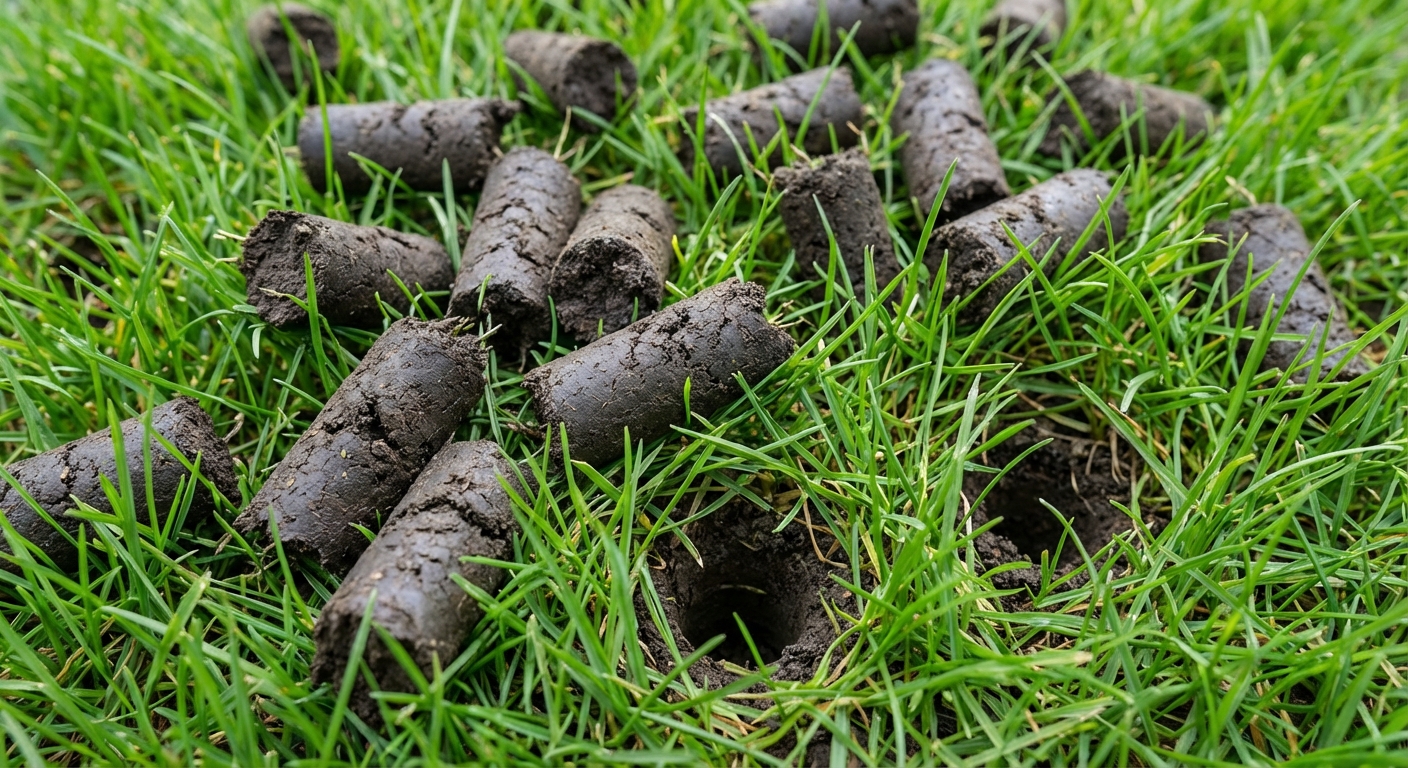
Core aeration is a mechanical process in which a specialized machine pulls small cylindrical plugs of soil — typically 2 to 3 inches deep and about three-quarters of an inch in diameter — out of your lawn at regular intervals. These plugs are deposited on the surface, and the holes left behind create direct channels for air, water, and fertilizer to reach the root zone without obstruction. Unlike spike aeration, which simply pushes soil sideways and can actually increase compaction, core aeration physically removes material and creates lasting relief.
The benefits of core aeration are immediate and compounding. Water that previously pooled on the surface or ran off into the street now infiltrates directly into the soil profile. Fertilizer applications become dramatically more effective because nutrients reach the roots instead of sitting on top of compacted ground. Root systems that were confined to the top inch of soil can now push deeper, which improves drought tolerance, heat resistance, and overall turf density. For lawns that receive regular foot traffic — families with children, pets, or outdoor entertaining areas — annual aeration is not optional. It is a core maintenance requirement.
Elgin's clay and silt-loam soils in Kane County are among the most compaction-prone soil types in the Midwest. Heavy spring rains saturate the clay, and summer heat bakes it into a hard, almost impenetrable surface. Mower wheels, foot traffic, and even the weight of snow over winter compound the problem season after season. Without annual lawn aeration, these soils steadily lose their ability to support healthy turf. The compaction builds incrementally, and by the time a homeowner notices thinning grass or persistent bare spots, the problem has been developing for years.
Leave the Plugs on the Lawn
After core aeration, you will see small soil plugs scattered across your lawn. While they may look untidy for a few days, resist the urge to rake them up. These plugs break down naturally within one to two weeks, and as they decompose, they return organic matter and beneficial microorganisms to the soil surface. This process also helps break down thatch from the top, working in concert with the aeration holes below. The plugs are part of the benefit — not a byproduct to be removed.
Dethatching Your Lawn
Thatch is a tightly woven layer of dead grass stems, roots, stolons, and organic debris that accumulates between the green grass blades you see and the soil surface below. A thin layer of thatch — up to about half an inch — is actually beneficial. It insulates the soil, retains moisture, and cushions the crown of the grass plant. But when thatch builds up beyond half an inch, it transforms from a protective layer into a barrier that blocks water, air, and nutrients from reaching the root zone. Excessive thatch also creates an ideal environment for fungal diseases and harbors insect pests.
Dethatching is the process of mechanically removing this excess buildup using a power rake or vertical mowing machine. These machines use a series of rotating blades or tines set to a precise depth that slice through the thatch layer without damaging the healthy grass crowns below. The loosened material is then raked up and removed from the property. The result is a lawn where water, air, and fertilizer can once again reach the soil unobstructed, and the grass plants can spread and tiller without fighting through a mat of dead material.
For cool-season grasses in Elgin, the best time to dethatch is early fall — September through early October — when Kentucky Bluegrass and Fescue are entering their strongest growth period and can recover quickly from the mechanical stress. Early spring, before the main growth surge in April and May, is a secondary option if fall dethatching was missed. We evaluate the thatch depth on every property before recommending the service, because not every lawn needs it every year. When the thatch layer exceeds half an inch, it is time to act.
Dethatching and Aeration: Better Together
Dethatching and lawn aeration address different layers of the same problem — restricted access to the root zone. Dethatching clears the organic barrier above the soil, while core aeration opens channels within the soil itself. When performed together, typically with dethatching first followed by aeration, the combined effect is significantly greater than either service alone. Water and nutrients have a clear, unobstructed path from the surface all the way down to the deepest roots. For lawns that have gone multiple years without either service, the combination treatment is the fastest path back to a healthy, dense turf.
Best Time for Lawn Aeration in Elgin, IL
Timing is everything with lawn aeration, and in Elgin's USDA Zone 5b climate, the window is well defined. Fall — specifically September through mid-October — is the ideal time to aerate cool-season lawns. During this period, soil temperatures are still warm enough to support active root growth, air temperatures have moderated from summer highs, and natural rainfall is typically more consistent. Kentucky Bluegrass, Tall Fescue, and Perennial Ryegrass all enter an aggressive growth phase in early fall, which means the turf recovers from aeration quickly and immediately takes advantage of the improved soil conditions to push roots deeper and spread laterally.
Spring aeration in April through May is a viable secondary option for properties that missed the fall window or for lawns with severe compaction that benefit from two treatments per year. However, spring aeration carries a tradeoff: the open holes created by the aerator can provide ideal germination sites for weed seeds, particularly crabgrass, which is already looking for any bare soil exposure. Fall aeration avoids this issue entirely because annual weed seeds are no longer germinating by September.
Pairing core aeration with overseeding in the fall produces the thickest, most durable results. The aeration holes provide perfect seed-to-soil contact, and the timing aligns with the natural germination window for cool-season grasses. Following up with a fall fertilizer application immediately after aeration ensures that nutrients reach the root zone efficiently, compounding the benefits of the service. This three-step combination — aerate, overseed, fertilize — is the single most impactful thing you can do for your lawn each year.
Signs Your Lawn Needs Aeration
Not sure whether your lawn is overdue for lawn aeration? These are the most common indicators that compaction has become a problem on your property:
- Water pools on the surface after rain or irrigation instead of soaking in
- The soil feels hard and unyielding when you push a screwdriver into it
- Thin or bare spots persist despite regular watering and fertilization
- Heavy foot traffic areas — walkways, play zones, pet runs — are noticeably thinner than the rest of the lawn
- Your lawn was established on new construction soil that was graded with heavy equipment
- Thatch has built up beyond half an inch despite regular mowing
If any of these conditions describe your property, annual aeration should be on your fall maintenance calendar. For properties with multiple indicators, a combined aeration and dethatching treatment will deliver the most dramatic improvement.
Aeration & Overseeding
Lawn aeration and overseeding are a natural pairing that produces results neither service can achieve alone. When the aerator pulls soil plugs from your lawn, it creates thousands of small holes that are ideal seed-to-soil contact points. Grass seed dropped into these holes is protected from wind, foot traffic, and surface drying — the three biggest reasons broadcast overseeding fails on compacted lawns. The seed sits in direct contact with moist soil at the perfect depth for germination, surrounded by the nutrients released from the decomposing soil plugs.
For Elgin lawns, we select seed blends that are proven performers in Zone 5b conditions. Kentucky Bluegrass is the backbone of most premium lawns in the Fox Valley — it spreads via rhizomes to fill in bare spots, produces a dense carpet of fine-textured turf, and develops a deep blue-green color that looks exceptional when properly maintained. Tall Fescue adds drought tolerance, heat resistance, and the ability to thrive in partial shade, making it an excellent complement to Bluegrass in lawns with tree coverage or south-facing slopes. Perennial Ryegrass germinates fast — often within 5 to 7 days — and provides quick ground cover while the slower-establishing Bluegrass fills in behind it. A well-designed blend of these three species creates a resilient turf that performs under the full range of conditions an Elgin lawn faces throughout the year.
After overseeding, expect to see the first Ryegrass sprouts within 7 to 10 days. Kentucky Bluegrass takes longer — typically 14 to 21 days for initial germination, with full establishment continuing through the fall and into the following spring. By the time your lawn enters summer the following year, the overseeded areas will have filled in completely, creating a thicker, denser turf that crowds out weeds naturally and handles foot traffic, heat, and drought far better than a thin, compacted lawn ever could.
Get a Free Aeration Estimate
Fall is the prime season for lawn aeration and dethatching in Elgin, and our September and October schedule fills up fast. Book your service early to secure your preferred date and take advantage of the ideal aeration window before the first frost. Elite Elgin Lawn Care provides free, no-obligation estimates for residential and commercial properties throughout Elgin and the Fox Valley area. We will assess your soil conditions, measure thatch depth, and recommend the right combination of aeration, dethatching, and overseeding for your property.
Whether you need a single fall core aeration or a full restoration treatment that combines aeration, dethatching, overseeding, and fertilization, we have the equipment, the expertise, and the local knowledge to deliver results. Do not let another fall pass with compacted soil holding your lawn back.
Get a Free Estimate